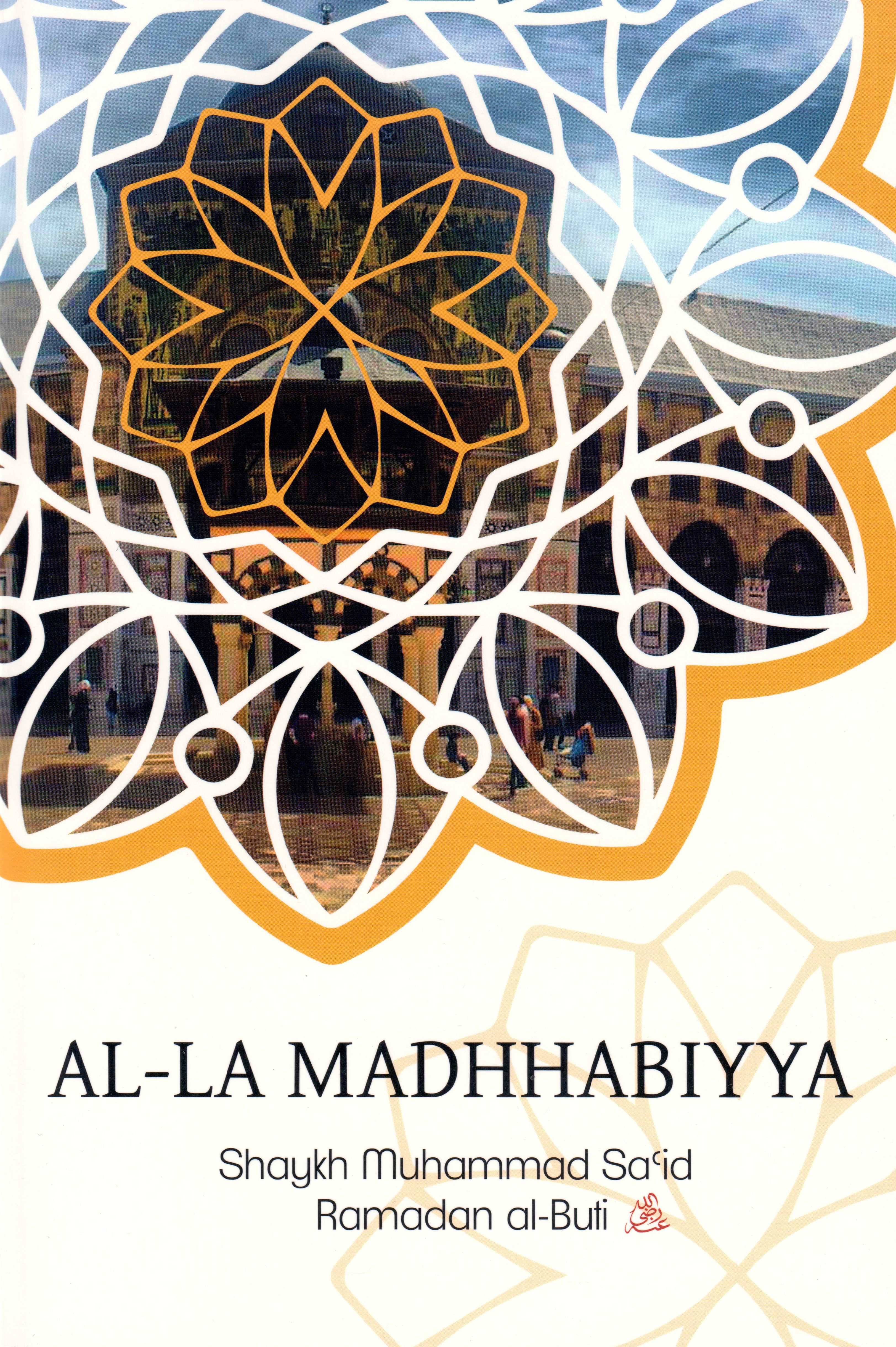
Al-La Madhhabiyya: Abandoning the Madhhabs
About The Book
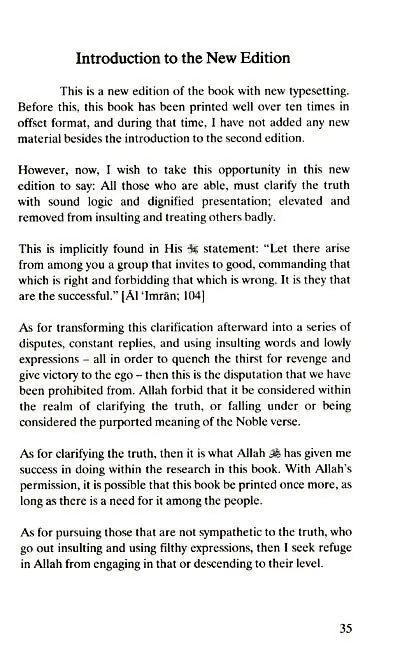
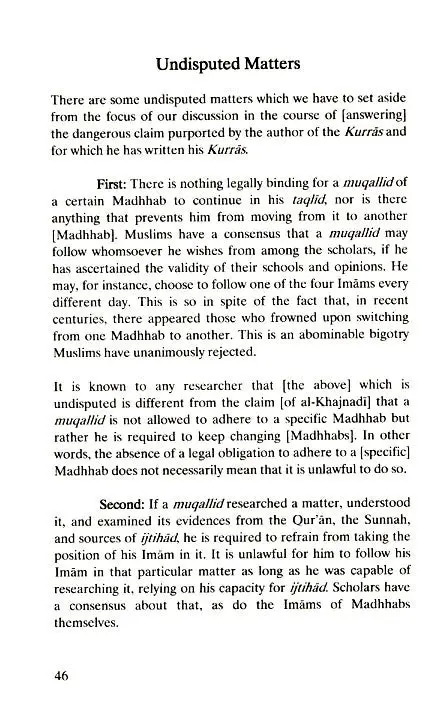
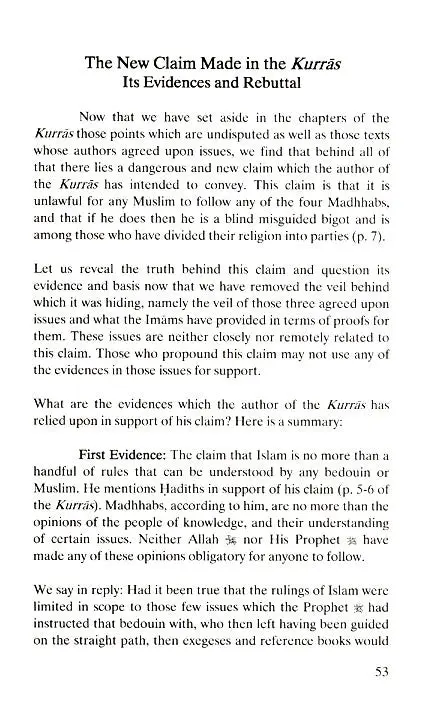
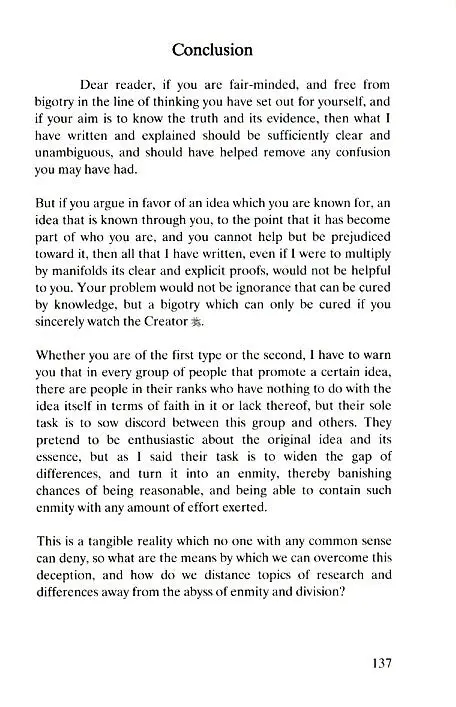
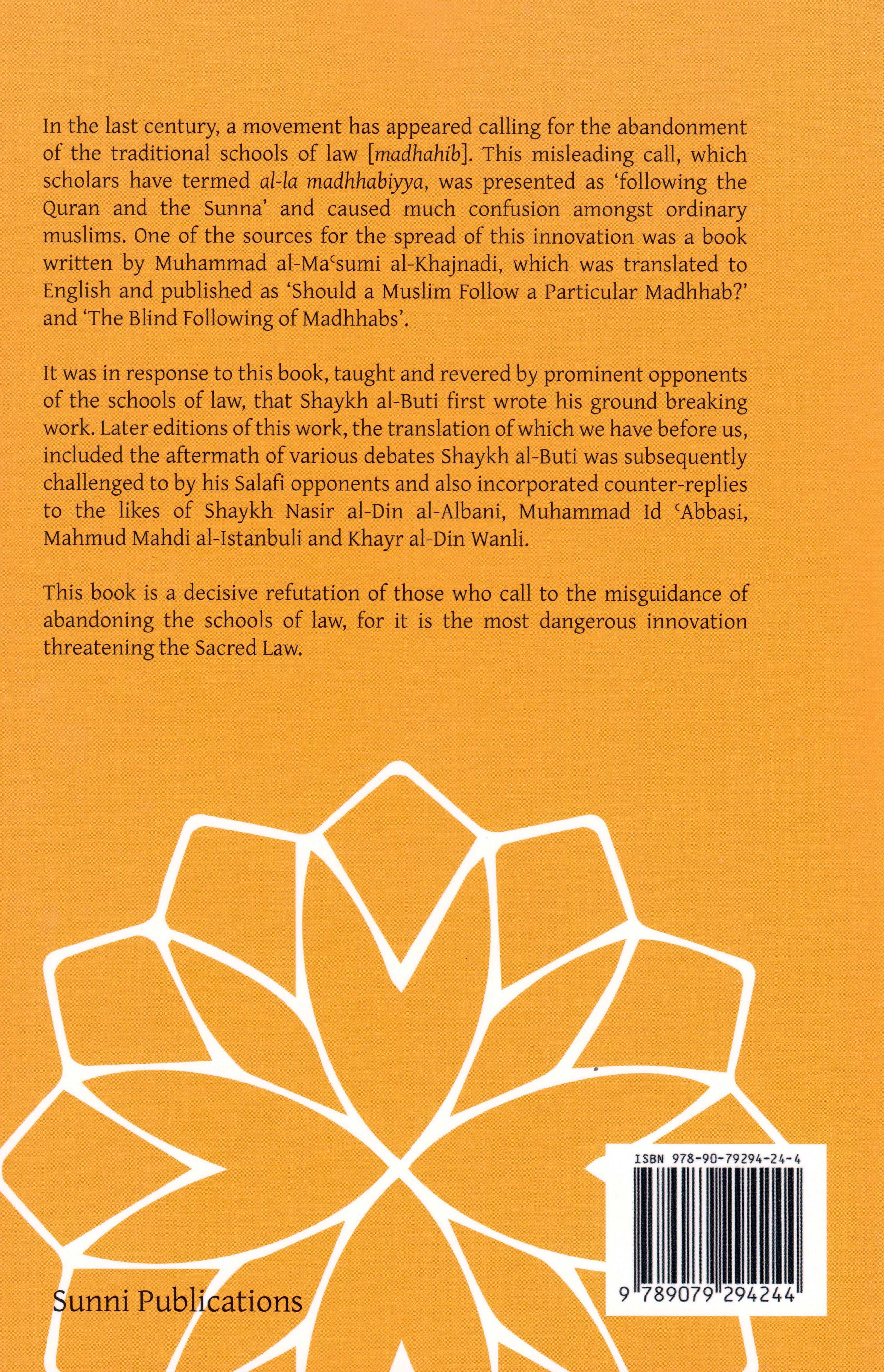
In the last century, a movement has appeared calling for the abandonment of the traditional schools of law [madhahib]. This misleading call, which scholars have termed Al-La Madhhabiyya, was presented as ‘following the Quran and the Sunna’ and caused much confusion amongst ordinary muslims. One of the sources for the spread of this innovation was a book written by Muhammad Sultan al-Ma'sumi al-Khajnadi al-Makki, which was translated and distributed to English and published as as ‘Should a Muslim Follow a Particular Madhhab?’ and ‘The Blind Following of Madhhabs’.
It was in response to this book, taught and revered by prominent opponents of the schools of law, that Shaykh al-Buti first wrote his ground breaking work. Later editions of this work, the translation of which we have before us, included the aftermath of various debates Shaykh al-Buti was subsequently challenged to by his opponents and also incorporated counter-replies to the likes of Shaykh Nasir al-Din al-Albani, Muhammad ‘Id `Abbasi, Mahmud Mahdi al-Istanbuli and Khayr al-Din Wanli.
This book is a decisive refutation of those who call to the misguidance of abandoning the schools of law, for it is the most dangerous innovation threatening the Sacred Law.
About The Author
- Born in 1929 in the village of Jilka in the Turkish boundaries, north of Iraq and immigrated to Damascus.
- Completed his legal secondary study in the Institute of Islamic Guidance in Damascus, and joined the faculty of religion at Al-Azhar University.
- Appointed as dean in the faculty of religion at Damascus University in 1960, and deputed to Al-Azhar University to attain doctorate in the roots of the Islamic law.
- Appointed as instructor in the college of law of Damascus University in 1965, as a deputy of the college later on and as its dean in the end.
- Participated, in many global conferences and symposia, and is, in addition, a member in the royal society of the Islamic Civilization Researches in Amman, and member in the higher board of Oxford academy.
Original: $19.95
-65%$19.95
$6.98More Images

Al-La Madhhabiyya: Abandoning the Madhhabs
About The Book
In the last century, a movement has appeared calling for the abandonment of the traditional schools of law [madhahib]. This misleading call, which scholars have termed Al-La Madhhabiyya, was presented as ‘following the Quran and the Sunna’ and caused much confusion amongst ordinary muslims. One of the sources for the spread of this innovation was a book written by Muhammad Sultan al-Ma'sumi al-Khajnadi al-Makki, which was translated and distributed to English and published as as ‘Should a Muslim Follow a Particular Madhhab?’ and ‘The Blind Following of Madhhabs’.
It was in response to this book, taught and revered by prominent opponents of the schools of law, that Shaykh al-Buti first wrote his ground breaking work. Later editions of this work, the translation of which we have before us, included the aftermath of various debates Shaykh al-Buti was subsequently challenged to by his opponents and also incorporated counter-replies to the likes of Shaykh Nasir al-Din al-Albani, Muhammad ‘Id `Abbasi, Mahmud Mahdi al-Istanbuli and Khayr al-Din Wanli.
This book is a decisive refutation of those who call to the misguidance of abandoning the schools of law, for it is the most dangerous innovation threatening the Sacred Law.
About The Author
- Born in 1929 in the village of Jilka in the Turkish boundaries, north of Iraq and immigrated to Damascus.
- Completed his legal secondary study in the Institute of Islamic Guidance in Damascus, and joined the faculty of religion at Al-Azhar University.
- Appointed as dean in the faculty of religion at Damascus University in 1960, and deputed to Al-Azhar University to attain doctorate in the roots of the Islamic law.
- Appointed as instructor in the college of law of Damascus University in 1965, as a deputy of the college later on and as its dean in the end.
- Participated, in many global conferences and symposia, and is, in addition, a member in the royal society of the Islamic Civilization Researches in Amman, and member in the higher board of Oxford academy.
Product Information
Product Information
Shipping & Returns
Shipping & Returns
Description
About The Book
In the last century, a movement has appeared calling for the abandonment of the traditional schools of law [madhahib]. This misleading call, which scholars have termed Al-La Madhhabiyya, was presented as ‘following the Quran and the Sunna’ and caused much confusion amongst ordinary muslims. One of the sources for the spread of this innovation was a book written by Muhammad Sultan al-Ma'sumi al-Khajnadi al-Makki, which was translated and distributed to English and published as as ‘Should a Muslim Follow a Particular Madhhab?’ and ‘The Blind Following of Madhhabs’.
It was in response to this book, taught and revered by prominent opponents of the schools of law, that Shaykh al-Buti first wrote his ground breaking work. Later editions of this work, the translation of which we have before us, included the aftermath of various debates Shaykh al-Buti was subsequently challenged to by his opponents and also incorporated counter-replies to the likes of Shaykh Nasir al-Din al-Albani, Muhammad ‘Id `Abbasi, Mahmud Mahdi al-Istanbuli and Khayr al-Din Wanli.
This book is a decisive refutation of those who call to the misguidance of abandoning the schools of law, for it is the most dangerous innovation threatening the Sacred Law.
About The Author
- Born in 1929 in the village of Jilka in the Turkish boundaries, north of Iraq and immigrated to Damascus.
- Completed his legal secondary study in the Institute of Islamic Guidance in Damascus, and joined the faculty of religion at Al-Azhar University.
- Appointed as dean in the faculty of religion at Damascus University in 1960, and deputed to Al-Azhar University to attain doctorate in the roots of the Islamic law.
- Appointed as instructor in the college of law of Damascus University in 1965, as a deputy of the college later on and as its dean in the end.
- Participated, in many global conferences and symposia, and is, in addition, a member in the royal society of the Islamic Civilization Researches in Amman, and member in the higher board of Oxford academy.