Polished Mirror: Storytelling and the Pursuit of Virtue in Islamic Philosophy and Sufism
About The Book
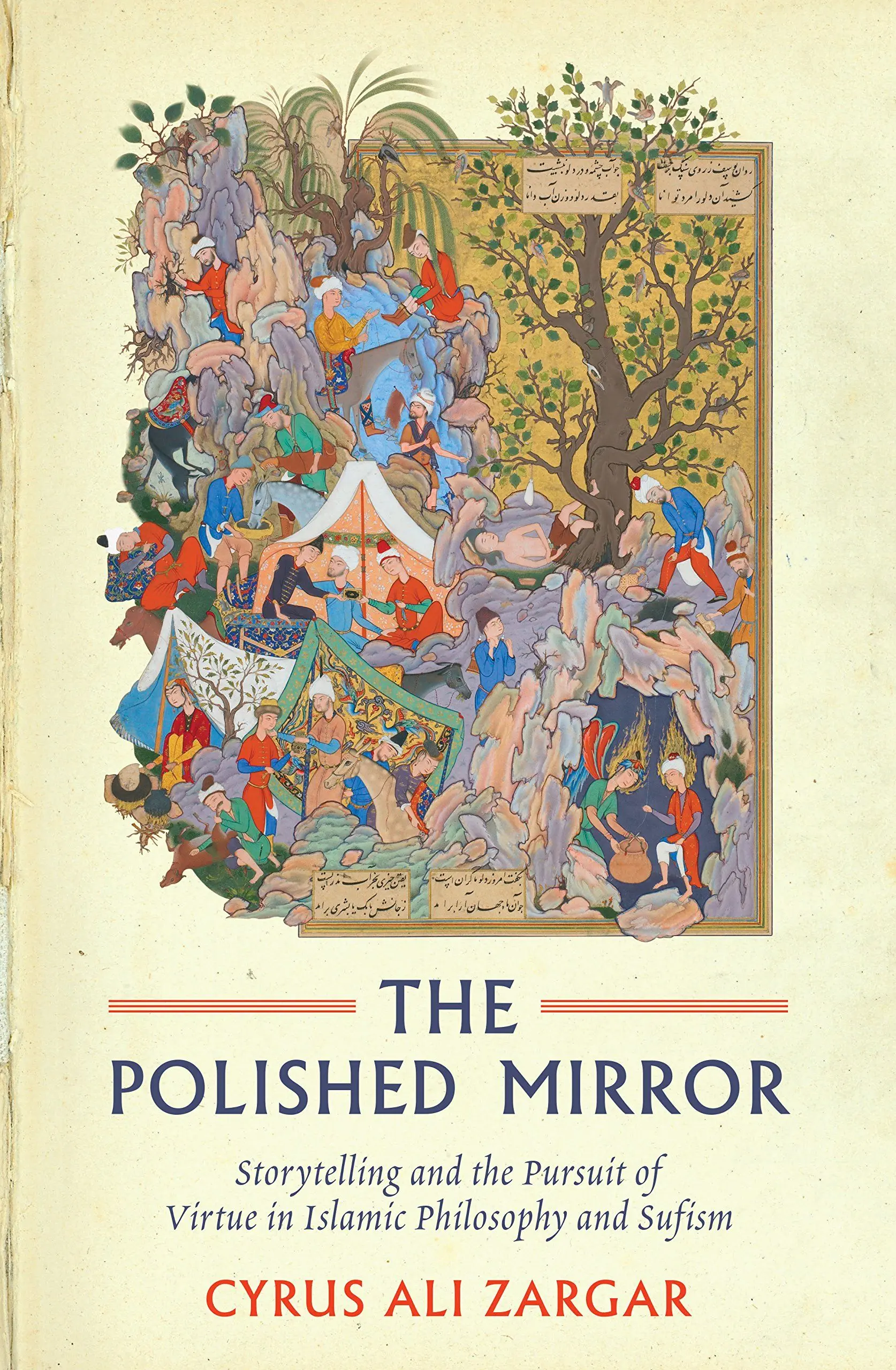
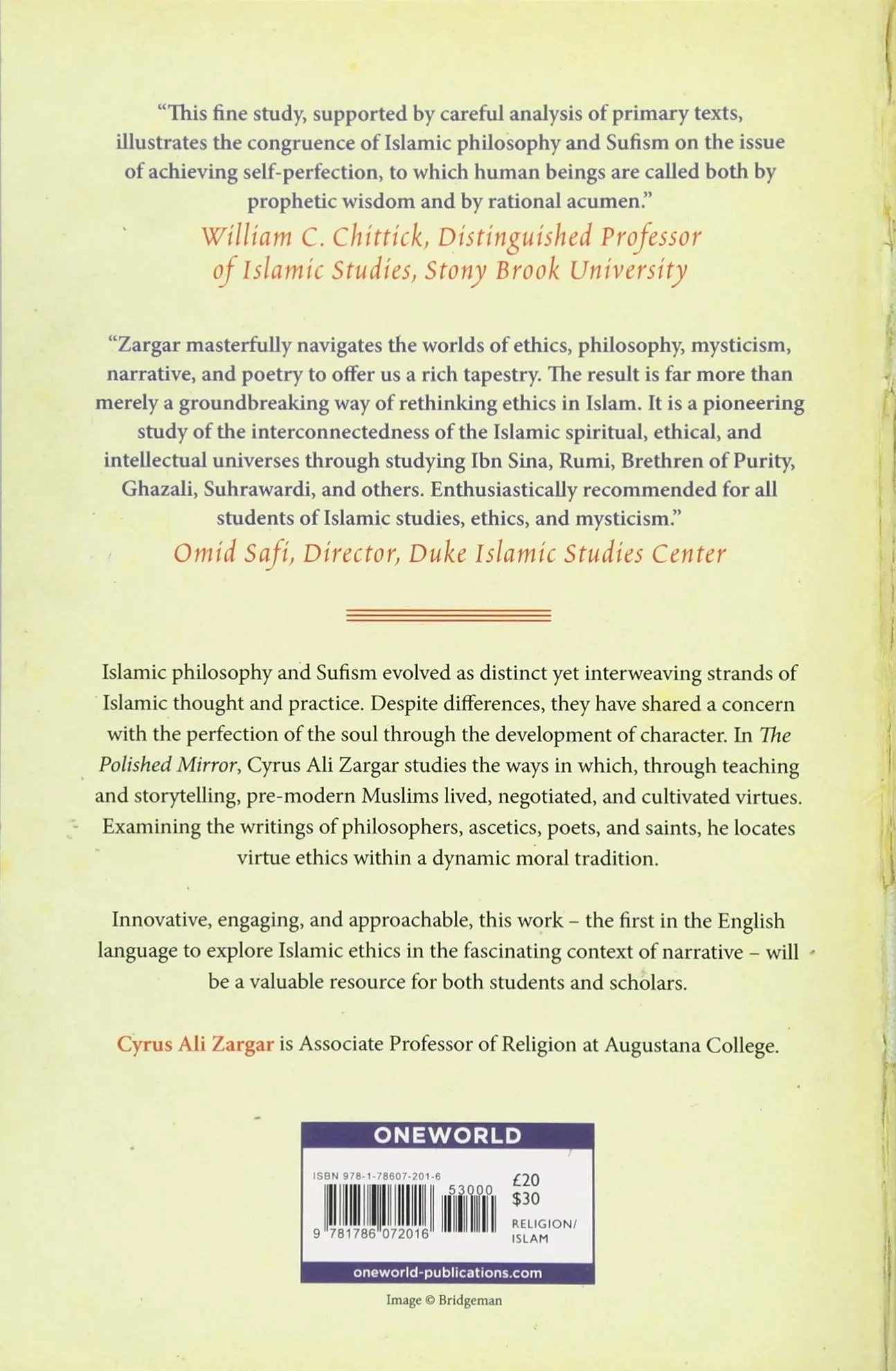
Islamic philosophy and Sufism evolved as distinct yet interweaving strands of Islamic thought and practice. Despite differences, they have shared a concern with the perfection of the soul through the development of character.
In The Polished Mirror, Cyrus Ali Zargar studies the ways in which, through teaching and storytelling, pre-modern Muslims lived, negotiated, and cultivated virtues. Examining the writings of philosophers, ascetics, poets, and saints, he locates virtue ethics within a dynamic moral tradition.
Innovative, engaging, and approachable, this work - the first in the English language to explore Islamic ethics in the fascinating context of narrative - will be a valuable resource for both students and scholars.
CONTENTS
List of Illustrations
Introduction
Part One Islamic Philosophy
Chapter One The Humors (al-akhlāṭ) and Character Traits (al-akhlāq) According to the Brethren of Purity
Chapter Two Virtue Ethics in Avicenna's Philosophical Allegories
Chapter Three The Virtues, from Philosophy to Scripture: Refining Character Traits in Miskawayh and Ghazālī
Chapter Four Reason, Revelation, and Discovering the Virtuous in Ibn Ṭufayl's Literary Thought Experiment
Chapter Five From Humors to Pure Light: Knowledge and Virtue in the Allegories of Suhrawardī
Part Two Sufism
Chapter Six The Soul's Constant Returning: Repentance (Tawba) in the Sufi Legacy of Jaʿfar al-Ṣādiq
Chapter Seven Distancing Oneself from the Worldly: Renunciation (Zuhd) According to al-Muḥāsibī and al-Sarrāj
Chapter Eight Self-Awareness that Leads to Self-Loss: Futuwwa as a Compound Virtue in the Legacy of Anṣārī
Chapter Nine The Completion of Ethics: Self-Annihilation (Fanāʾ) Through the Lens of ʿAṭṭār
Chapter Ten Virtue in the Narrative Poetry of Rūmī
Conclusion A Brief Case for Relevance
Acknowledgments
Bibliography
Index
About The Author
Cyrus Ali Zargar is Associate Professor of Religion at Augustana College, in Rock Island, Illinois, where his primary research interest is the literature of medieval Sufism in Arabic and Persian.
Original: $30.00
-65%$30.00
$10.50More Images
Polished Mirror: Storytelling and the Pursuit of Virtue in Islamic Philosophy and Sufism
About The Book
Islamic philosophy and Sufism evolved as distinct yet interweaving strands of Islamic thought and practice. Despite differences, they have shared a concern with the perfection of the soul through the development of character.
In The Polished Mirror, Cyrus Ali Zargar studies the ways in which, through teaching and storytelling, pre-modern Muslims lived, negotiated, and cultivated virtues. Examining the writings of philosophers, ascetics, poets, and saints, he locates virtue ethics within a dynamic moral tradition.
Innovative, engaging, and approachable, this work - the first in the English language to explore Islamic ethics in the fascinating context of narrative - will be a valuable resource for both students and scholars.
CONTENTS
List of Illustrations
Introduction
Part One Islamic Philosophy
Chapter One The Humors (al-akhlāṭ) and Character Traits (al-akhlāq) According to the Brethren of Purity
Chapter Two Virtue Ethics in Avicenna's Philosophical Allegories
Chapter Three The Virtues, from Philosophy to Scripture: Refining Character Traits in Miskawayh and Ghazālī
Chapter Four Reason, Revelation, and Discovering the Virtuous in Ibn Ṭufayl's Literary Thought Experiment
Chapter Five From Humors to Pure Light: Knowledge and Virtue in the Allegories of Suhrawardī
Part Two Sufism
Chapter Six The Soul's Constant Returning: Repentance (Tawba) in the Sufi Legacy of Jaʿfar al-Ṣādiq
Chapter Seven Distancing Oneself from the Worldly: Renunciation (Zuhd) According to al-Muḥāsibī and al-Sarrāj
Chapter Eight Self-Awareness that Leads to Self-Loss: Futuwwa as a Compound Virtue in the Legacy of Anṣārī
Chapter Nine The Completion of Ethics: Self-Annihilation (Fanāʾ) Through the Lens of ʿAṭṭār
Chapter Ten Virtue in the Narrative Poetry of Rūmī
Conclusion A Brief Case for Relevance
Acknowledgments
Bibliography
Index
About The Author
Cyrus Ali Zargar is Associate Professor of Religion at Augustana College, in Rock Island, Illinois, where his primary research interest is the literature of medieval Sufism in Arabic and Persian.
Product Information
Product Information
Shipping & Returns
Shipping & Returns
Description
About The Book
Islamic philosophy and Sufism evolved as distinct yet interweaving strands of Islamic thought and practice. Despite differences, they have shared a concern with the perfection of the soul through the development of character.
In The Polished Mirror, Cyrus Ali Zargar studies the ways in which, through teaching and storytelling, pre-modern Muslims lived, negotiated, and cultivated virtues. Examining the writings of philosophers, ascetics, poets, and saints, he locates virtue ethics within a dynamic moral tradition.
Innovative, engaging, and approachable, this work - the first in the English language to explore Islamic ethics in the fascinating context of narrative - will be a valuable resource for both students and scholars.
CONTENTS
List of Illustrations
Introduction
Part One Islamic Philosophy
Chapter One The Humors (al-akhlāṭ) and Character Traits (al-akhlāq) According to the Brethren of Purity
Chapter Two Virtue Ethics in Avicenna's Philosophical Allegories
Chapter Three The Virtues, from Philosophy to Scripture: Refining Character Traits in Miskawayh and Ghazālī
Chapter Four Reason, Revelation, and Discovering the Virtuous in Ibn Ṭufayl's Literary Thought Experiment
Chapter Five From Humors to Pure Light: Knowledge and Virtue in the Allegories of Suhrawardī
Part Two Sufism
Chapter Six The Soul's Constant Returning: Repentance (Tawba) in the Sufi Legacy of Jaʿfar al-Ṣādiq
Chapter Seven Distancing Oneself from the Worldly: Renunciation (Zuhd) According to al-Muḥāsibī and al-Sarrāj
Chapter Eight Self-Awareness that Leads to Self-Loss: Futuwwa as a Compound Virtue in the Legacy of Anṣārī
Chapter Nine The Completion of Ethics: Self-Annihilation (Fanāʾ) Through the Lens of ʿAṭṭār
Chapter Ten Virtue in the Narrative Poetry of Rūmī
Conclusion A Brief Case for Relevance
Acknowledgments
Bibliography
Index
About The Author
Cyrus Ali Zargar is Associate Professor of Religion at Augustana College, in Rock Island, Illinois, where his primary research interest is the literature of medieval Sufism in Arabic and Persian.