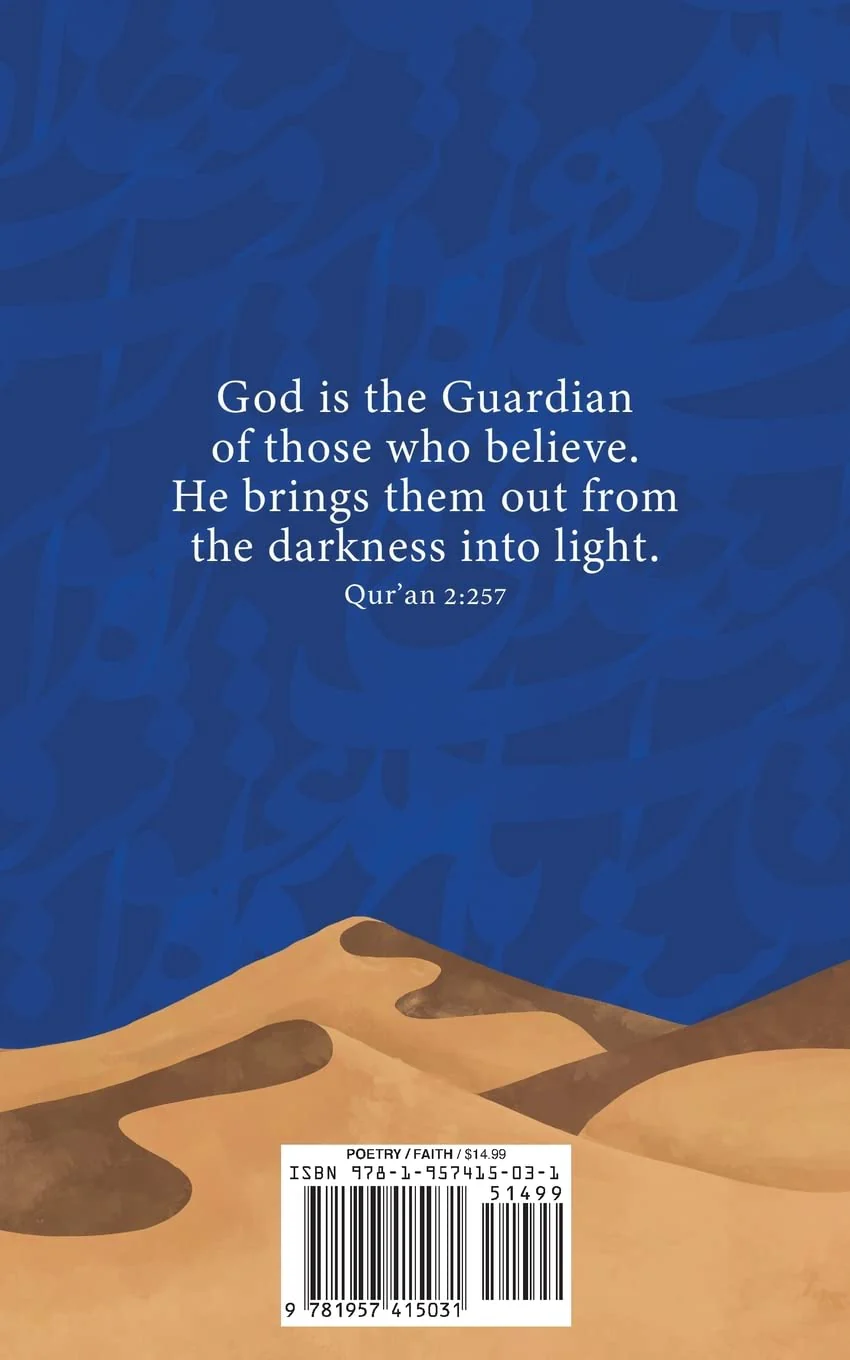
Sultan Walad: In the Footsteps of Rumi and Shams
About The Book
After Rumi’s death (in 1273), Sultan Walad humbly and patiently accepted the leadership of his father’s chosen successor, Chalabi Husam al-Din (for twelve years) and another leading disciple of his father’s, Karim al-Din (for seven years) before becoming the overall leader of the emerging Mawlawi Order.
During these years he worked to ensure the accuracy of copies of his father’s masterpiece of Islamic Sufism: the Mathnawi, as well as to compose (also in Persian) a diwan (of collected poems), three Mathnawis, and a book of prose—all of which express, in a generally simple manner, the profound mystical wisdom of his father and associates.
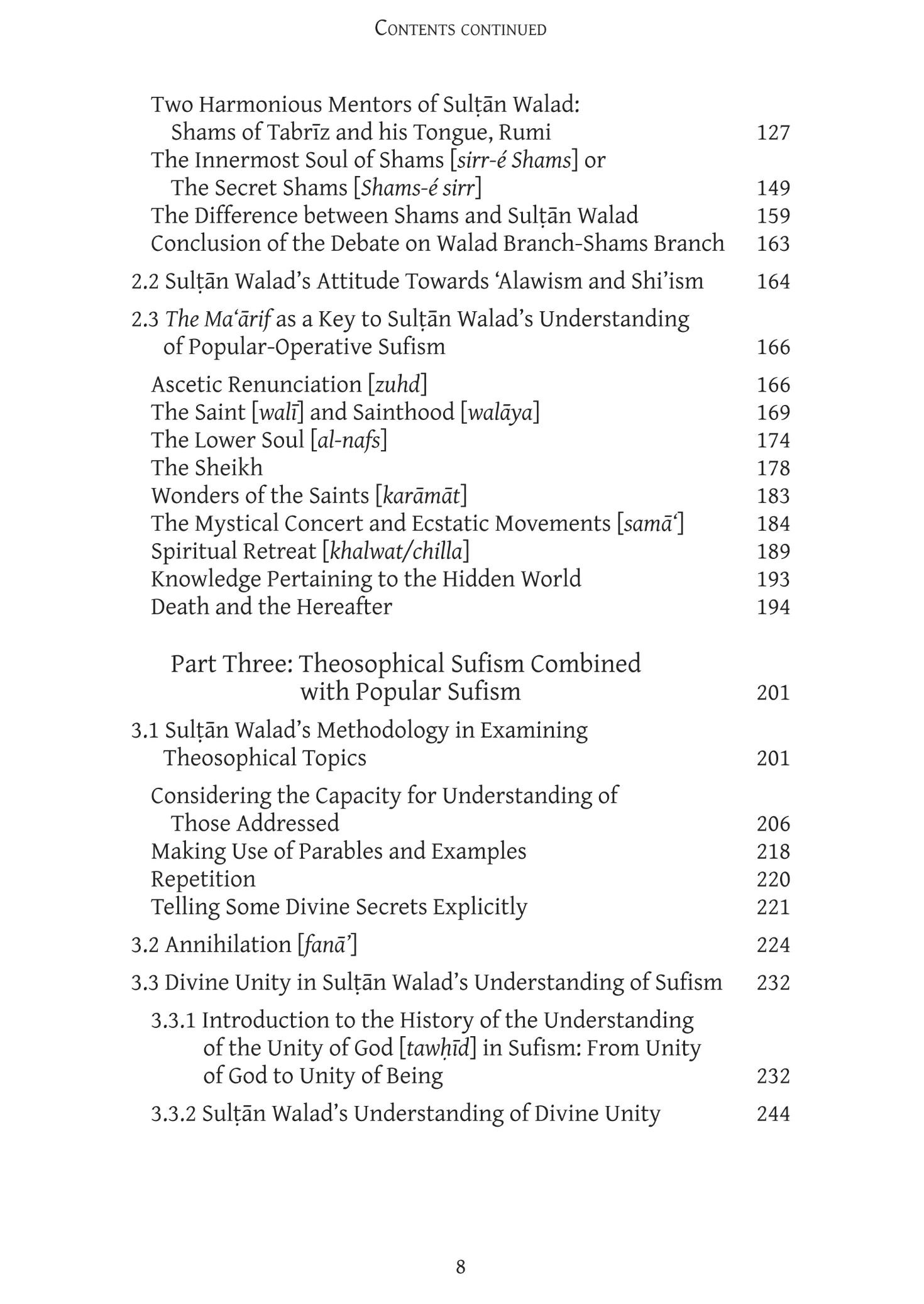
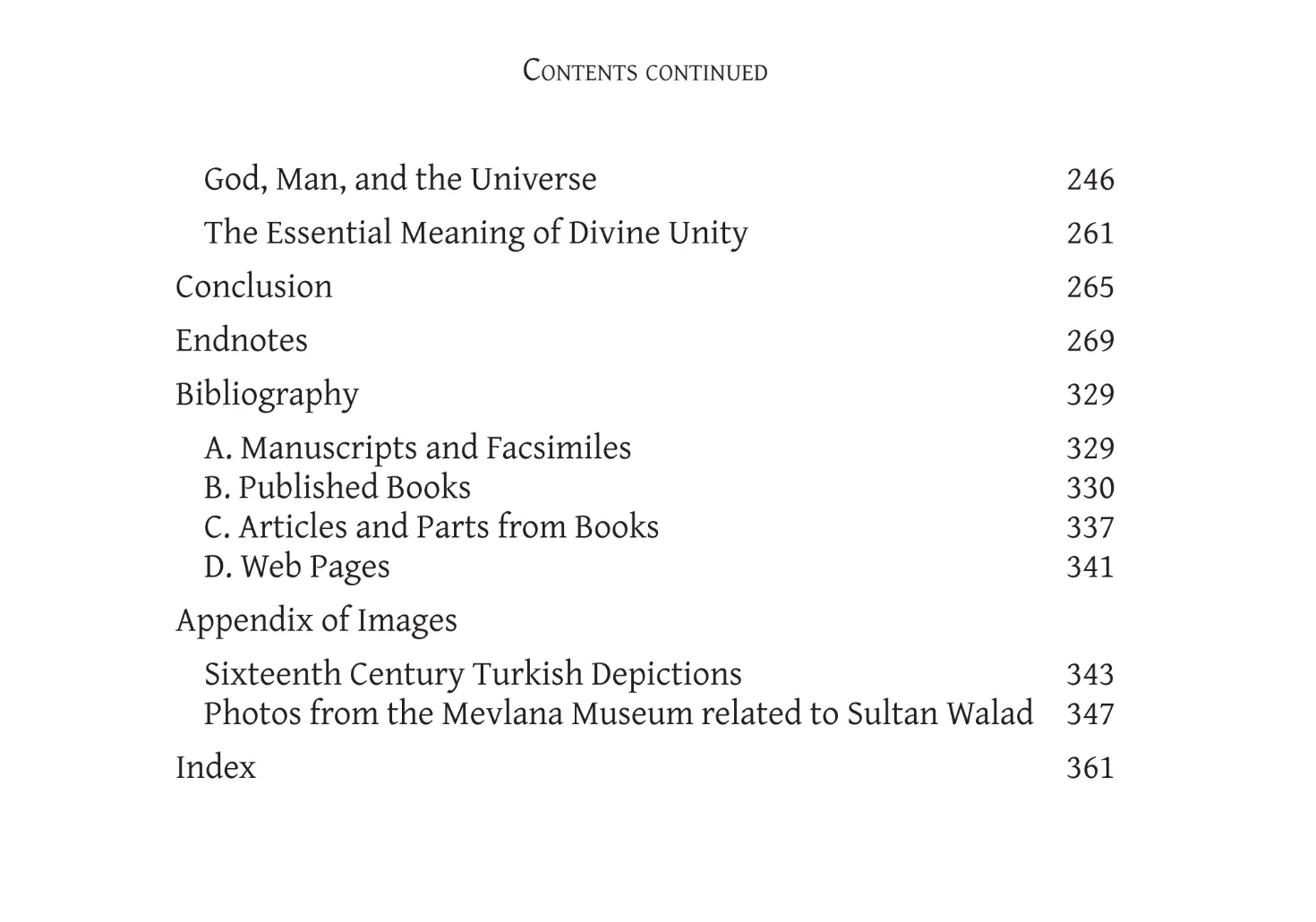
This book is scholarly and thorough, as well as readable; it offers a rewarding exposition of the main teachings of Sufism during the era of Rumi and Shams. Topics include ascetic practices, Sufi saints and sainthood, striving against the lower self or ego, the Sufi sheikh, miraculous wonders of the saints, ecstatic movements inspired by mystical music and poetry, spiritual retreat, mystical secrets, death and the hereafter, and divine Unity. These are discussed in the context of Sufism as the mystical dimension of Islam, in which Sultan Walad frequently refers to and interprets verses from the Qur’an and sayings of the Prophet Muhammadﷺ.
More Images

Sultan Walad: In the Footsteps of Rumi and Shams
About The Book
After Rumi’s death (in 1273), Sultan Walad humbly and patiently accepted the leadership of his father’s chosen successor, Chalabi Husam al-Din (for twelve years) and another leading disciple of his father’s, Karim al-Din (for seven years) before becoming the overall leader of the emerging Mawlawi Order.
During these years he worked to ensure the accuracy of copies of his father’s masterpiece of Islamic Sufism: the Mathnawi, as well as to compose (also in Persian) a diwan (of collected poems), three Mathnawis, and a book of prose—all of which express, in a generally simple manner, the profound mystical wisdom of his father and associates.
This book is scholarly and thorough, as well as readable; it offers a rewarding exposition of the main teachings of Sufism during the era of Rumi and Shams. Topics include ascetic practices, Sufi saints and sainthood, striving against the lower self or ego, the Sufi sheikh, miraculous wonders of the saints, ecstatic movements inspired by mystical music and poetry, spiritual retreat, mystical secrets, death and the hereafter, and divine Unity. These are discussed in the context of Sufism as the mystical dimension of Islam, in which Sultan Walad frequently refers to and interprets verses from the Qur’an and sayings of the Prophet Muhammadﷺ.
Product Information
Product Information
Shipping & Returns
Shipping & Returns
Description
About The Book
After Rumi’s death (in 1273), Sultan Walad humbly and patiently accepted the leadership of his father’s chosen successor, Chalabi Husam al-Din (for twelve years) and another leading disciple of his father’s, Karim al-Din (for seven years) before becoming the overall leader of the emerging Mawlawi Order.
During these years he worked to ensure the accuracy of copies of his father’s masterpiece of Islamic Sufism: the Mathnawi, as well as to compose (also in Persian) a diwan (of collected poems), three Mathnawis, and a book of prose—all of which express, in a generally simple manner, the profound mystical wisdom of his father and associates.
This book is scholarly and thorough, as well as readable; it offers a rewarding exposition of the main teachings of Sufism during the era of Rumi and Shams. Topics include ascetic practices, Sufi saints and sainthood, striving against the lower self or ego, the Sufi sheikh, miraculous wonders of the saints, ecstatic movements inspired by mystical music and poetry, spiritual retreat, mystical secrets, death and the hereafter, and divine Unity. These are discussed in the context of Sufism as the mystical dimension of Islam, in which Sultan Walad frequently refers to and interprets verses from the Qur’an and sayings of the Prophet Muhammadﷺ.